Exhibition time.
Read MoreOn film stocks Pt 1. Ilford 125
Since my journey with film began (in a land far far far away, sort of), I started with a roll of Ilford FP4 Plus 125 speed black and white process 35mm film. This beautifully soft grained film I shot with my uncle's Canon EOS10 from 1992. Photographing mostly street scenes and bit of that and this around the home.
I love the simplicity and classic look of black & white. The tones, the shadows. I have found that there's a great depth or a sense of nostalgia shooting on film compared to digital. Clunky old cameras like my Canon A1 (which I purchased soon after using the EOS10).
Using an old camera, usually provides some extra nitty gritty bits, such as in-camera double exposures (yet to try properly), light leaks - flaring, poor seals (usually with much older cameras), film advance issues (once again usually with much older mechanical advance cameras (pre 1990ish). I feel that my images from film are more 'organic' or a little less than 'perfect'.
The grain from this stock is quite fine, being a 125 speed. The higher the speed, the more grain you'll get. From my experience, even a 400 speed black & white film has significantly more grain than 125 speed. Speed of film is commonly referred to as ASA or ISO. Digital cameras use ISO settings to allow greater sensitivity or brightness. For example shooting at a concert in limited light compared with full sunlight. A photographer might increase their ISO speed to allow them to shoot at higher shutter speeds to reduce blur of the performer(s).
In terms of my workflow, I'll shoot a roll, have it developed, than scanned. I like being able to do (very rarely, about once in a blue moon) tiny manipulations or create panoramic images in Photoshop. Although I am curious about darkroom techniques, wet plate photography as well. Although when I set out to shoot, I always aim to get what I want in camera. And without the use of additional filters. Adjustments include blending up to 3-4 images in one, panoramic stitching, levels, exposure (all quite minor). This is where film selection comes into play. When I set out with colour film, I think to myself, "this is colour". So I won't then desaturate them to black & white later. Or when I shoot black & white, I won't recolour them (that's just silly).
Feel free to ask questions, provide feedback below.
Below, a snippet from the roll.
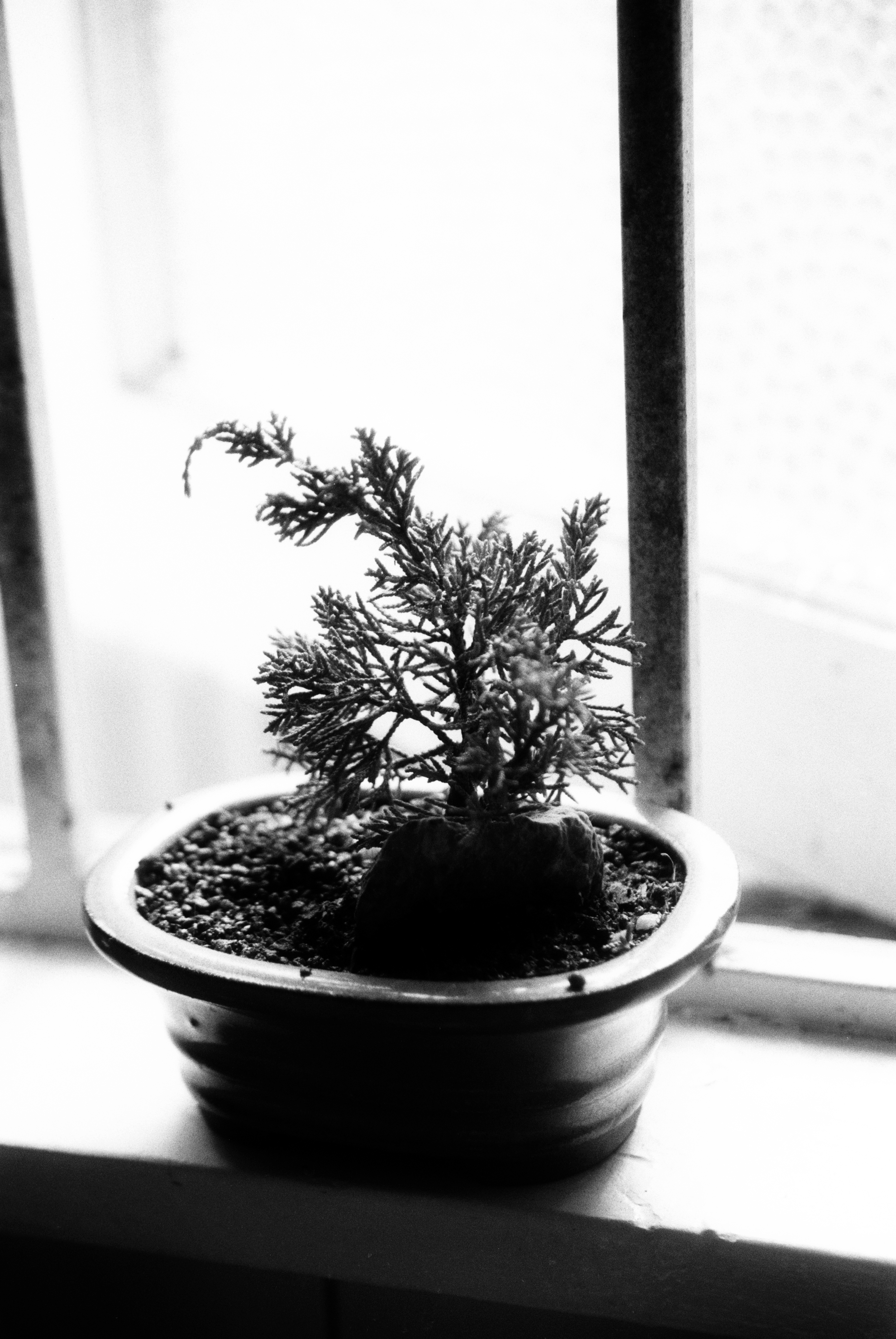

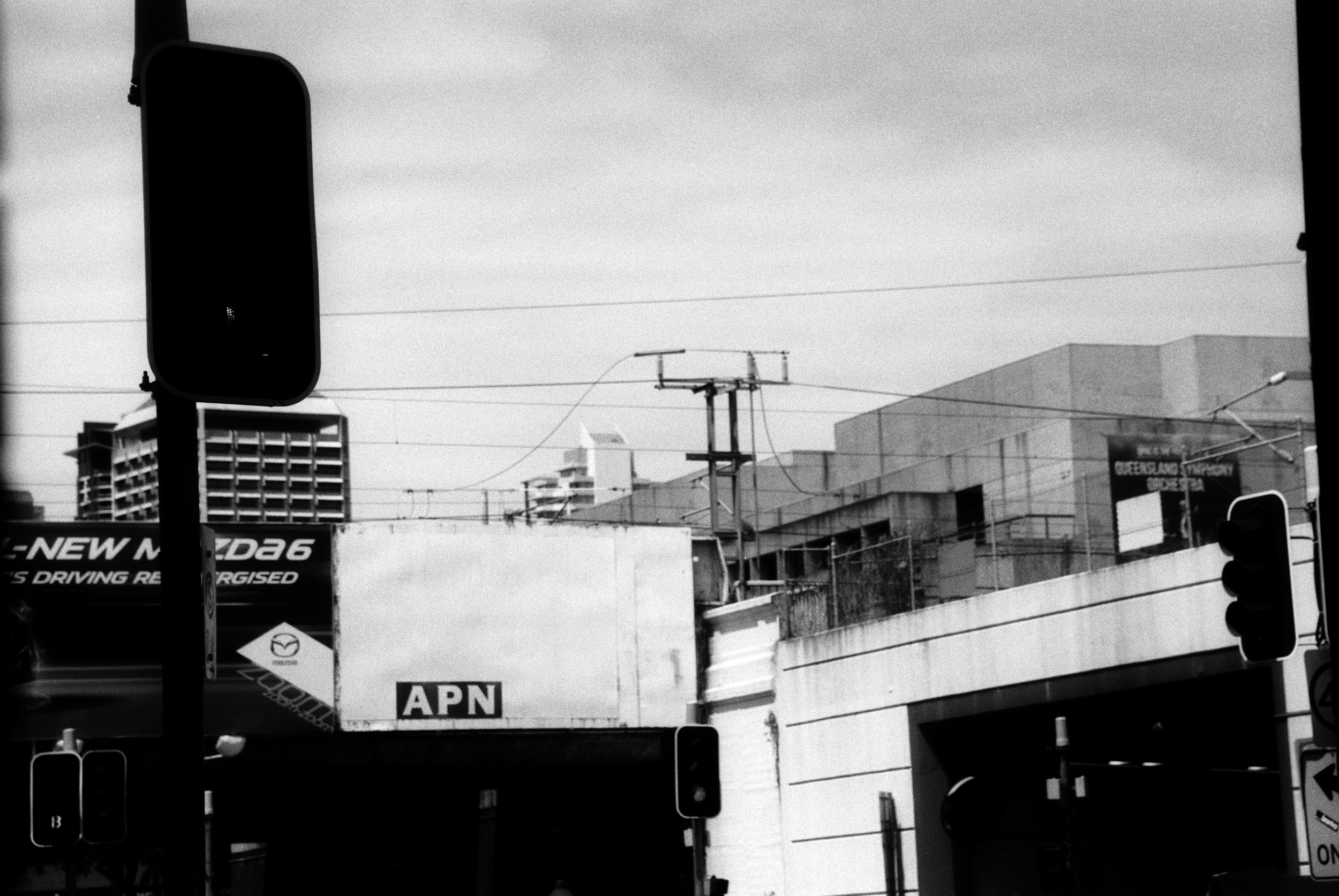


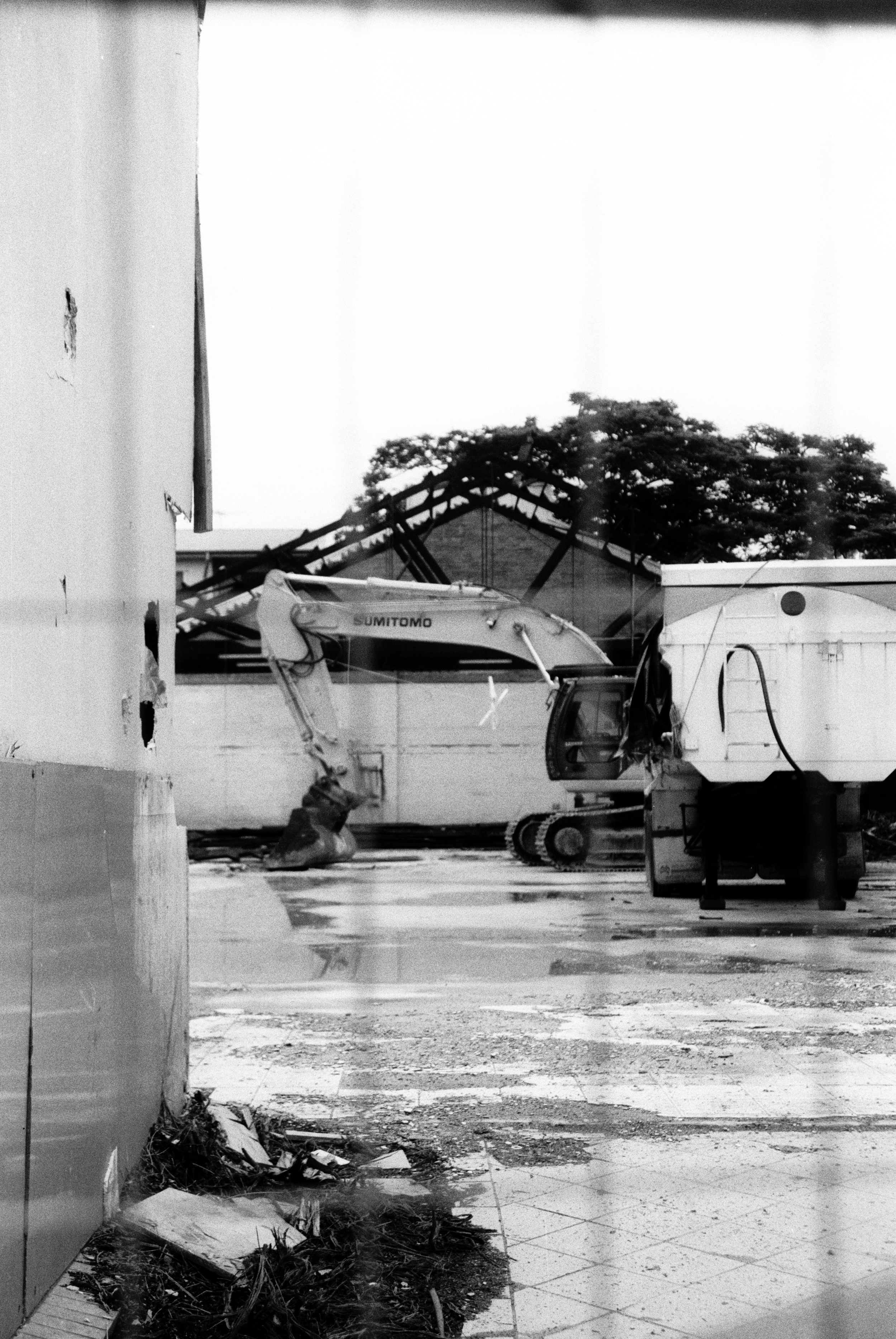
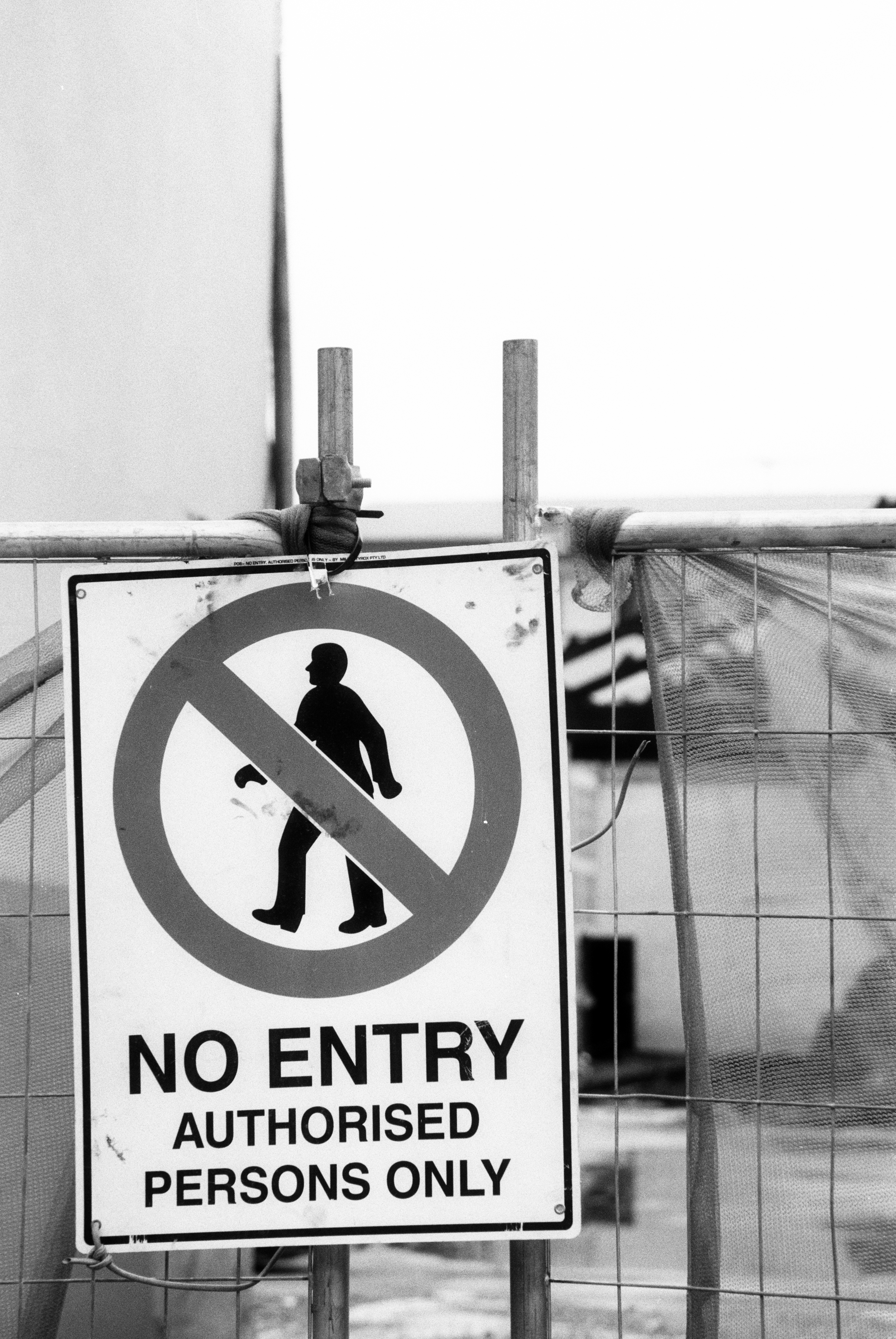
More on film stocks to come from Kodak, Fuji.
New book.
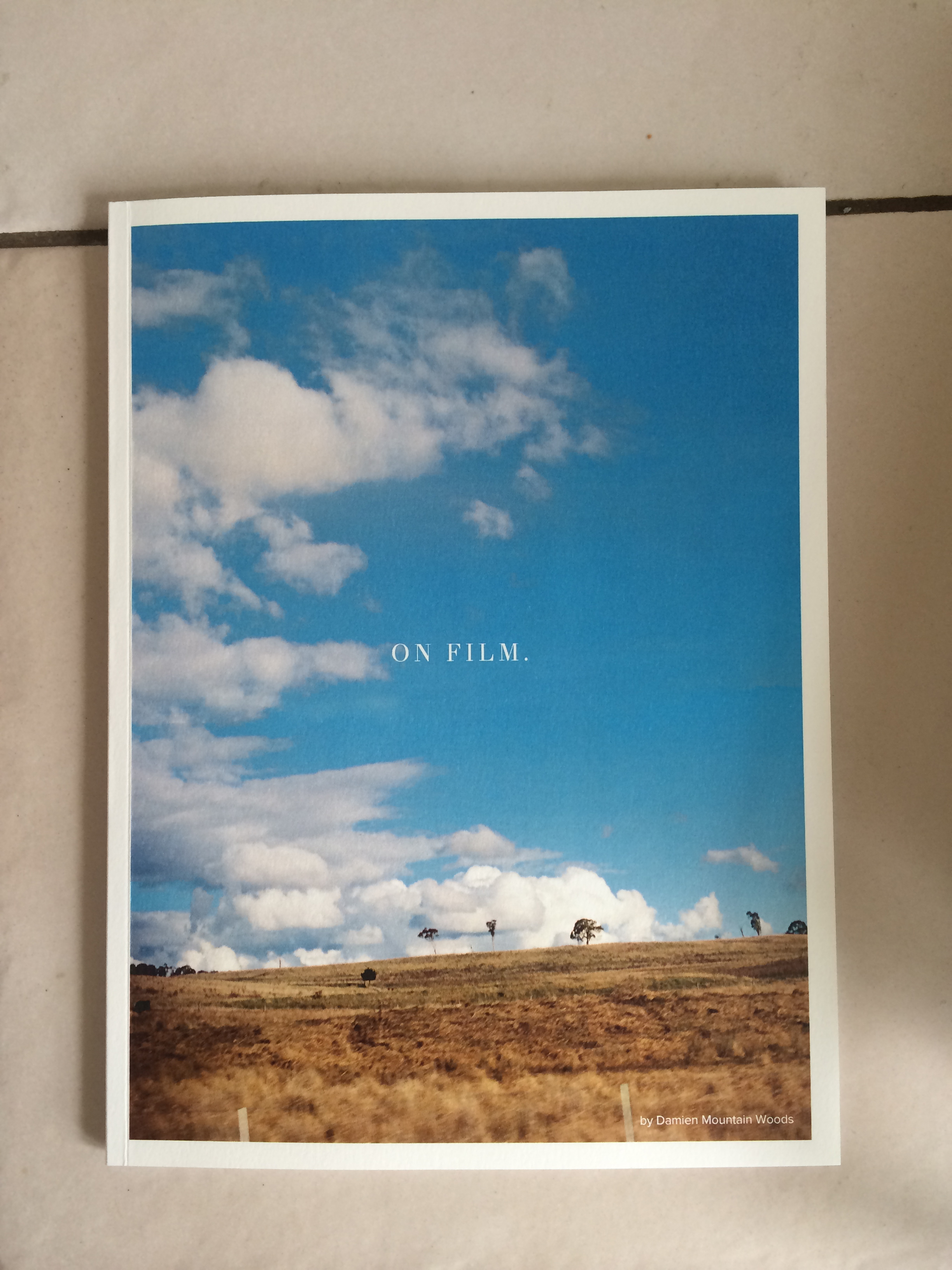
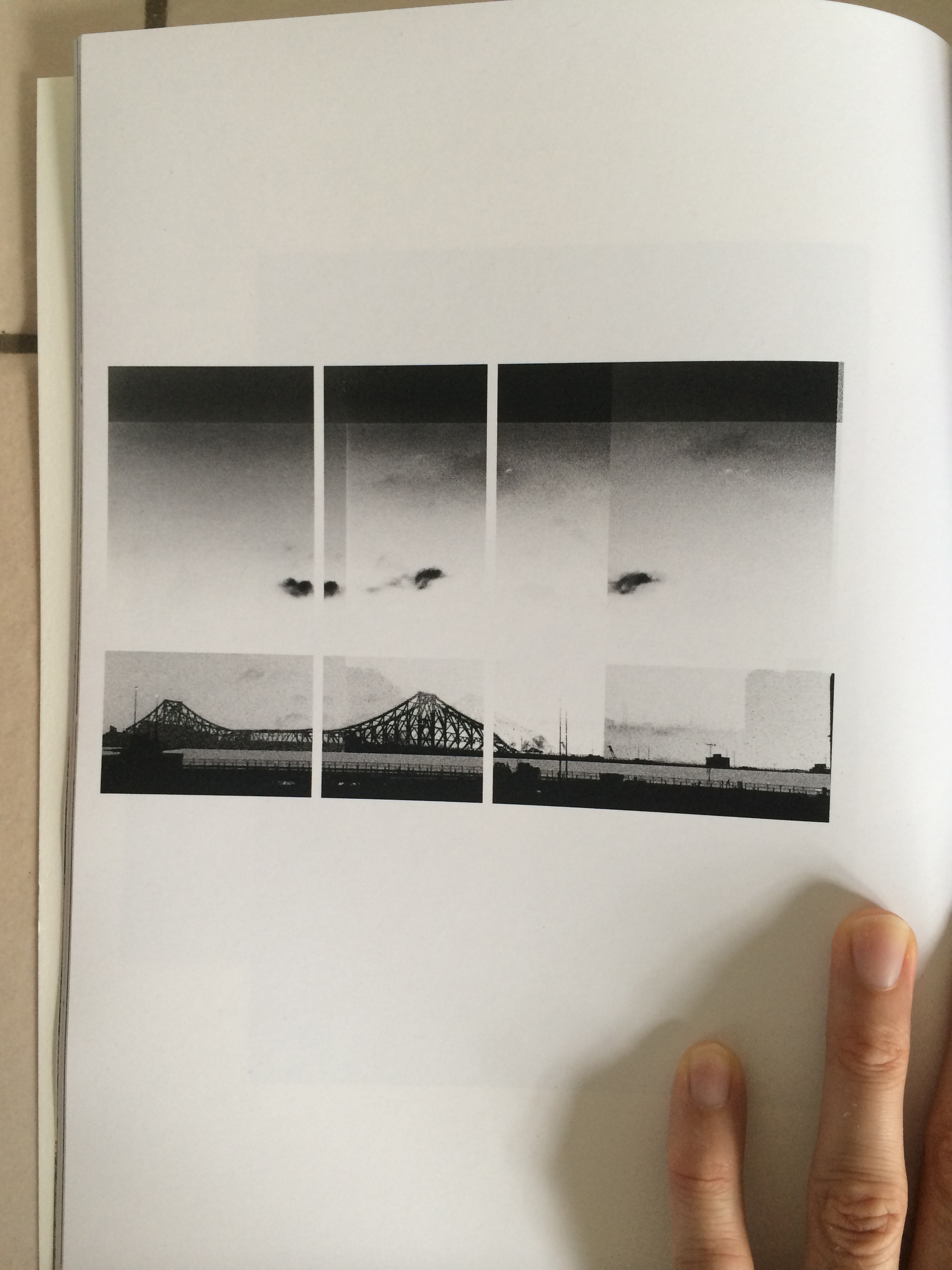
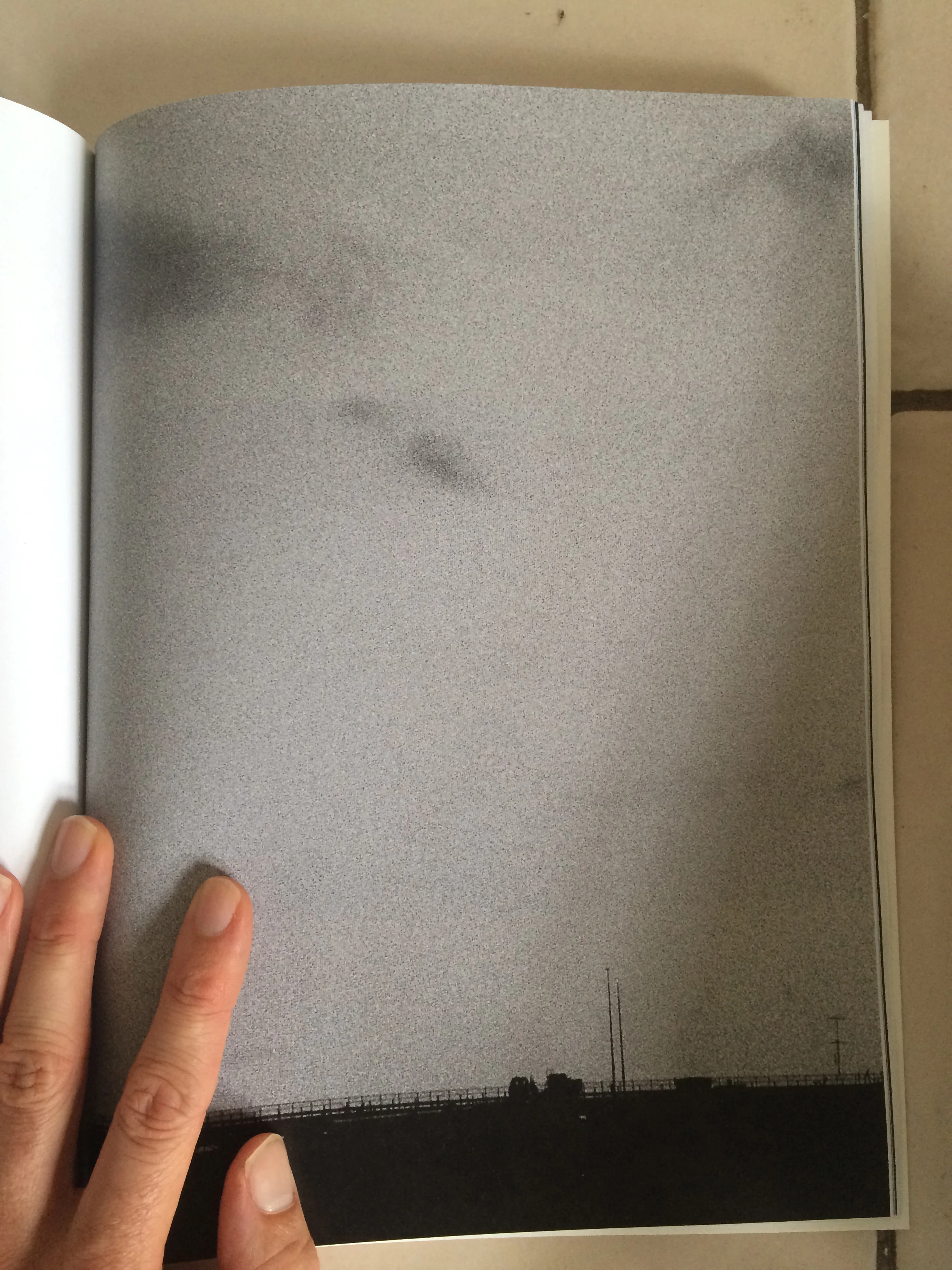
I'm proud to announce the arrival of my new book. (click on the image to scroll through sample)
With a special selection of my favourite images taken over the past 12 months, since the beginning of my film adventure. The front cover, an image I shot whilst on the road, with my mates Tony and Nick in search of snow. We didn't find much snow, but I managed a few wonderful snaps of the countryside. Other photos from Brisbane, Sunshine Coast. Scenic / iconic places such as the Story Bridge, Glasshouse Mountains.
I am inspired by design, travel, culture and hope to do a lot of it in the next couple of years. Captured either on colour or black & white film. My favourites being Kodak Ektar 125, a well-balanced colour film. Perfect speed for full sun daytime photos. Producing natural colour. And Tri-x 400, a very grainy black & white film. Good for lower light scenes and full sun. For a little less grain, try an Ilford 125 or Fuji Acros 100.
There's just something about printed material that makes a little crazy. Something a little more personal, tangible.
I hope to share with you more printed material very soon...
Approximately 50 images. Available for purchase for $100, including world wide shipping.
Contact here - holamountain(at)gmail(dot)com
*replace (at) @ (dot) .
Printed in the USA. It measures 8.25" x 11",
Cover stock: Mohawk Superfine Eggshell, White 120#
Page stock: Mohawk Options 100% Post Consumer Recycled.
Printed by the lovely people at artifactuprising.com from Denver, Colorado.